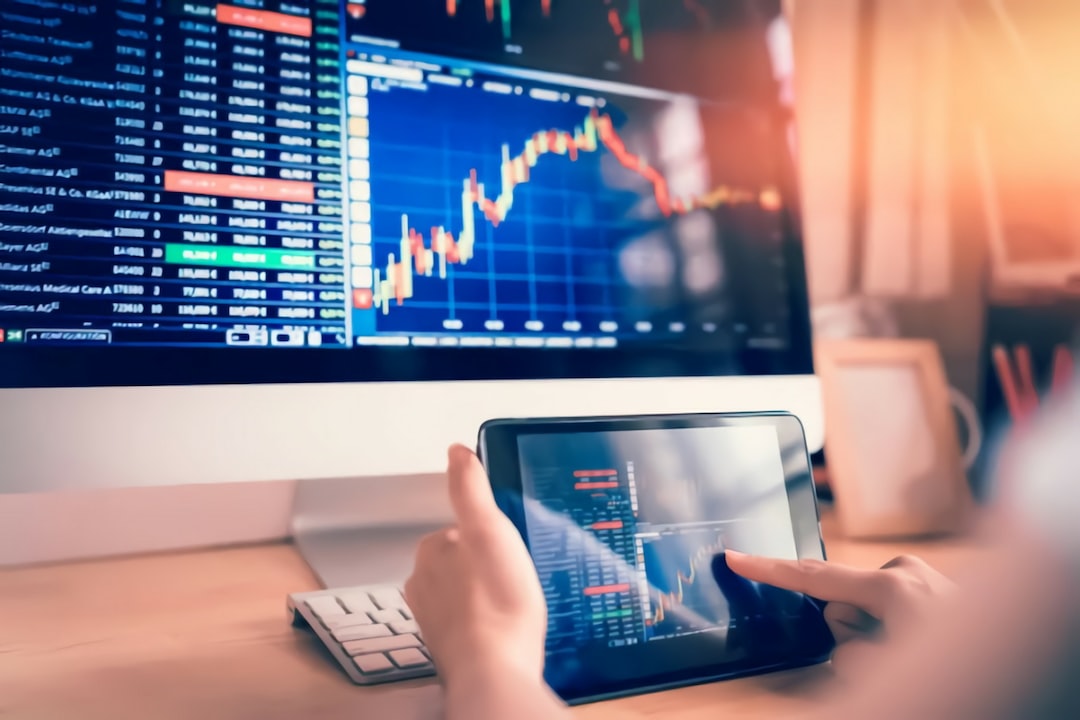
In the fast-paced world of financial markets, news can move prices in seconds. Traders who successfully interpret daily news into actionable signals gain a significant edge. This skill requires a blend of analytical thinking, discipline, and a structured approach to separating noise from meaningful market triggers. By building a reliable framework, traders can convert headlines into insights that guide smarter decisions and better timing in both entry and exit points.
Understanding the Role of News in Financial Markets
News affects market sentiment and asset prices through the expectations it creates. Economic indicators like employment data, inflation reports, and central bank decisions often lead to immediate market reactions. Similarly, geopolitical events, corporate earnings, and regulatory announcements can trigger volatility across multiple asset classes. For example, a stronger-than-expected jobs report may boost confidence in an economy, influencing currency values and equity indexes. Conversely, unexpected political tensions may prompt investors to seek safe-haven assets like gold or government bonds.
At its core, interpreting news for trading involves understanding cause and effect: what the news means for future cash flows, interest rates, risk appetite, and investor behavior. Rather than reacting impulsively to a headline, experienced traders analyze how the information fits into the broader economic narrative and what it implies for price trends.
Building a Systematic News Analysis Framework
To turn daily news into trading signals, a systematic approach is essential. Start by categorizing news into types: economic data releases, corporate earnings, geopolitical developments, or industry-specific updates. Assign each category a probable impact on different markets. For instance, GDP growth figures typically influence stock indexes and currency pairs, while oil inventory reports may move energy commodities.
Next, integrate reliable news sources and real-time alerts into your workflow. Tools such as economic calendars and financial news aggregators help traders stay ahead of scheduled announcements and unscheduled breaking events. A popular platform like https://dailynewstrading.com/ provides curated updates and trading insights tailored for interpreting market-moving news.
Once news is received, evaluate its deviation from expectations. Markets often price in forecasts long before actual data release. A key trading signal emerges when actual figures differ materially from consensus estimates. Traders can then determine whether the reaction aligns with historical patterns or signals a new trend forming.
Translating News Into Trading Signals
Transforming information into signals requires clear rules. A simple rule might be: “If the unemployment rate is X% above consensus, then consider a short position in the domestic currency.” Defining these conditions helps remove emotional bias and ensures consistent execution.
Trend confirmation is another critical element. A news event might spark an immediate move, but traders should look for confirmation such as price consolidation above key levels or volume expansion. Without confirmation, initial reactions can fade, leading to false signals.
Risk management must be embedded into the signal itself. For example, if a trading rule based on inflation data suggests entering a position, the signal should include predefined stop-loss and take-profit levels. This clarity protects capital and enforces discipline, especially in volatile environments.
Tools and Techniques for Effective News Trading
Several technical tools enhance the interpretation of news into signals. Moving averages, relative strength index (RSI), and volatility bands help assess whether a news-driven price movement has momentum or is likely to reverse. Combining technical indicators with fundamental news ensures that signals are not solely based on sentiment or gut feeling.
Sentiment analysis techniques, including scanning social media and financial forums, can also provide early cues about market psychology. While sentiment data should be used cautiously, it complements traditional news by highlighting how broader audiences are reacting to events in real time.
Moreover, experienced traders often backtest their news-based strategies using historical data. Backtesting reveals how a signal would have performed under various market conditions, helping refine entry and exit criteria before deploying capital in live trades.
Common Pitfalls and How to Avoid Them
News trading comes with challenges. Overtrading based on every headline leads to noise-driven losses. Not all news is market-moving; distinguishing between significant and trivial items is a learned skill. Also, traders sometimes fall prey to confirmation bias, interpreting information to fit preconceived views rather than objectively assessing impact.
To mitigate these pitfalls, maintain a trading journal documenting how each news event influenced your decisions and outcomes. Regular review builds discipline and highlights patterns in your reasoning—both successful and flawed.
Additionally, be mindful of market liquidity. Major news releases often coincide with high volatility and widened spreads, which can affect execution quality. Planning trades around these conditions and adjusting position sizes can reduce slippage and unexpected losses.
Turning daily news into clear trading signals is a discipline that blends analytical frameworks with disciplined execution. By categorizing news, setting objective rules, integrating technical tools, and managing risk, traders can uncover opportunities hidden within daily headlines. While no strategy eliminates risk entirely, a structured approach ensures that reactions to news are measured, data-driven, and aligned with long-term trading goals.
Whether you are a novice or seasoned trader, refining your news interpretation process enhances your ability to make timely, confident decisions in dynamic markets. Daily news trading, when approached methodically, can become a powerful component of your overall strategy.